
Short Manaslu Circuit Trek Essential Tips: What to Know Before You Go
12th Oct, 2026
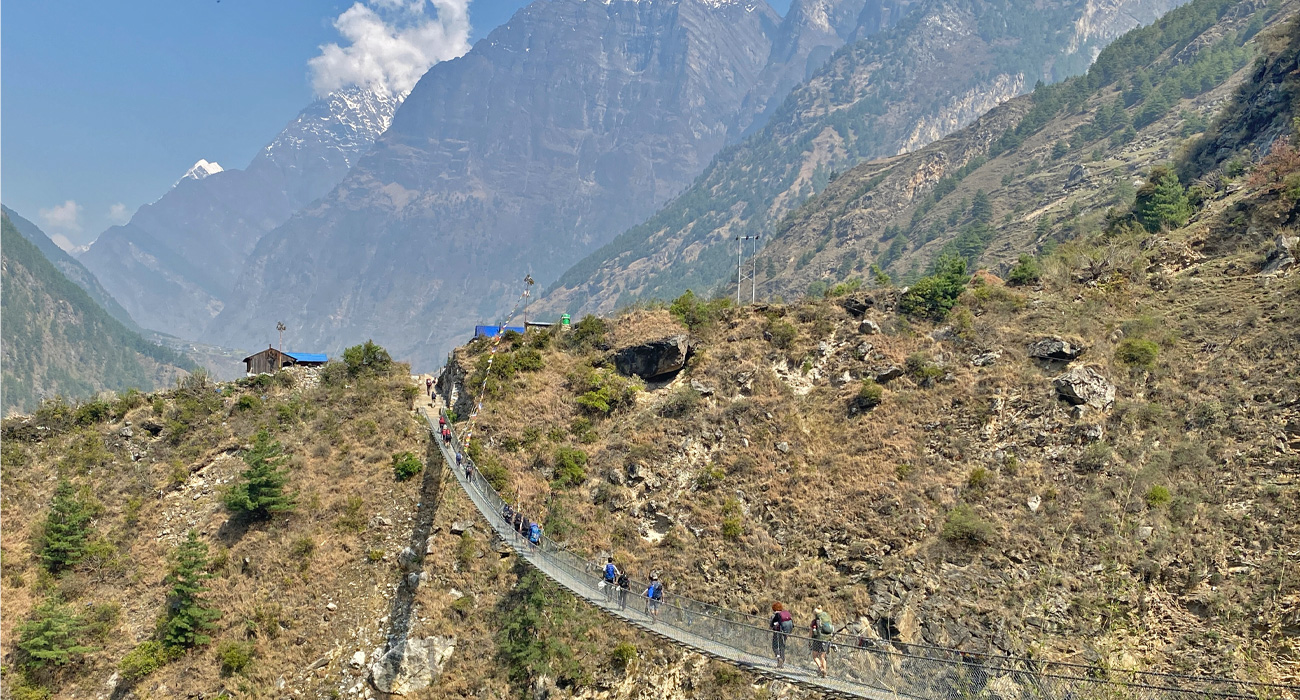
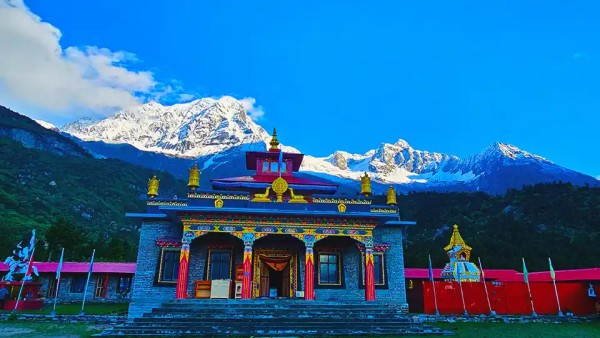
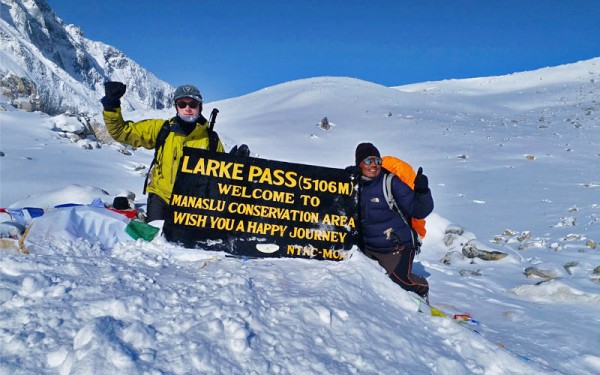
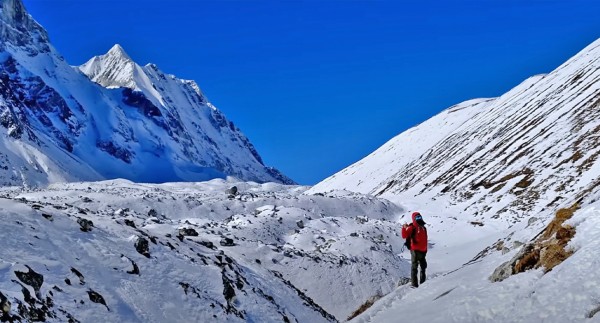
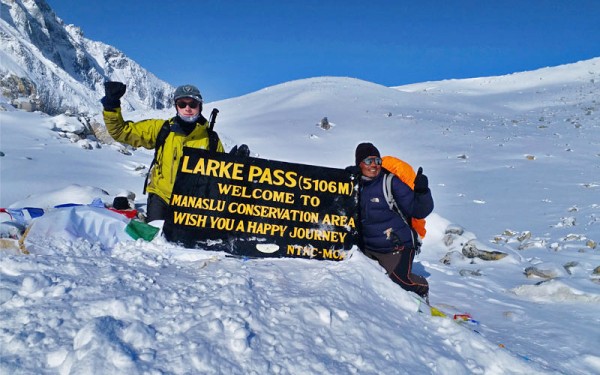
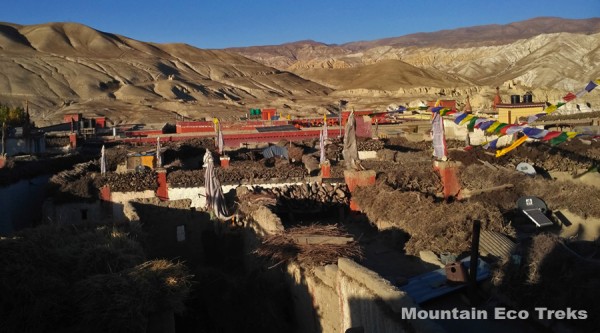
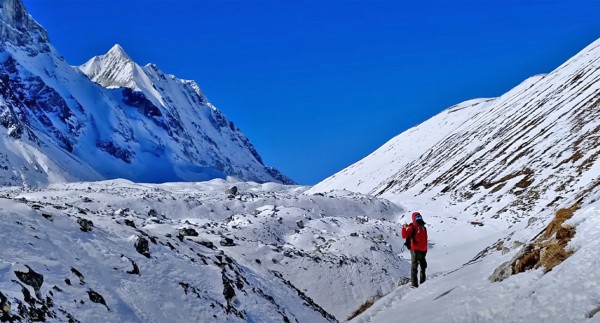
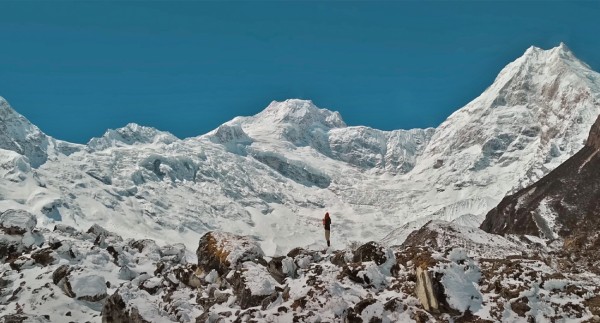
The Short Manaslu Circuit Trek is one of Nepal’s best ways to see the world’s eighth-highest mountain, Manaslu (8,163 m), without giving up three weeks of your life. In 11 days you walk through subtropical river gorges, Tibetan-influenced villages and glacial valleys, and cross the Larkya La Pass (5,106 m). You also meet far fewer trekkers than on the Everest or Annapurna trails.
Table of Contents
It is a remote, high-altitude, permit-controlled trek, so preparation matters more than on most teahouse routes. These are the tips we give every trekker who joins our Short Manaslu Circuit Trek.
Quick Trek Facts
| Detail | Info |
|---|---|
| Duration | 11 days (Kathmandu to Kathmandu) |
| Highest point | Larkya La Pass, 5,106 m |
| Grade | Moderate to adventurous |
| Accommodation | Teahouse lodges, twin-sharing |
| Best seasons | March to May and September to November |
| Group size | 1 to 15 trekkers |
| Permits | Manaslu RAP, MCAP and ACAP |
1. Choose the Right Season
Timing affects both your safety and your views.
- Autumn (September to November): Clear skies and stable weather. October is generally the best month for Manaslu views and the pass crossing.
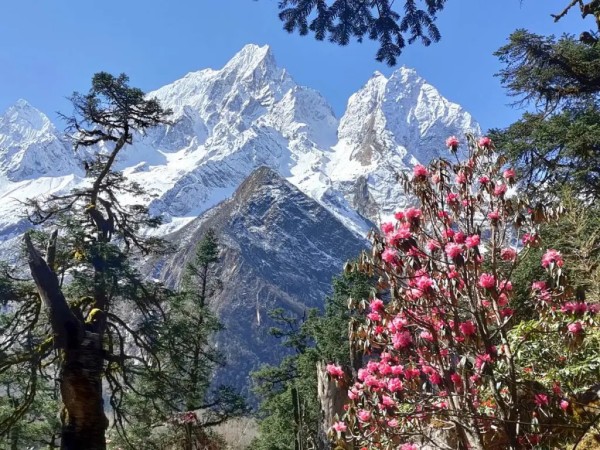
- Spring (March to May): Warmer days, blooming rhododendron forests and good visibility, with fewer trekkers than autumn.
- Monsoon (June to August): Heavy rain, leeches and landslide risk on the lower trail. Not recommended.
- Winter (December to February): Cold nights and heavy snow can close Larkya La.
If you want the safest conditions for the pass, aim for October or April. Check the open group departure dates and pick one inside these windows.
2. Understand the Permits Before You Book
Manaslu is a restricted area, so you can’t just show up and start walking. You need:
- Manaslu Restricted Area Permit (RAP)
- Manaslu Conservation Area Permit (MCAP)
- Annapurna Conservation Area Permit (ACAP), because the trek ends in the Annapurna conservation zone
The RAP must be issued through a government-registered trekking agency, and a licensed guide is legally required. Our packages include all permits, so you don’t chase paperwork in Kathmandu.
3. Respect the Altitude
The trek climbs from about 900 m at Machha Khola to 5,106 m at Larkya La. Several nights are spent above 3,500 m, so altitude sickness is the biggest real risk on this route.
- Use the acclimatization day. Our itinerary includes a full rest day at Sama Gaon (3,530 m). Use it for a gentle hike to Birendra Lake or Pungyen Gompa instead of lying in bed.
- Climb high, sleep low when you can.
- Drink 3 to 4 litres of water a day and avoid alcohol.
- Walk slowly. Being the last in line is fine at altitude.
- Learn the warning signs: persistent headache, nausea, dizziness, unusual fatigue and poor sleep. Tell your guide early.
- Ask your doctor about Diamox before you travel if you want a preventive option.
Our guides check oxygen saturation and pulse every day with an oximeter. If someone isn’t acclimatizing, we adjust the plan or descend.
4. Train for Back-to-Back Long Days
You don’t need climbing skills, but you do need stamina. Trekking days run 5 to 9 hours, and the Larkya La day is the longest and hardest of the trek.
- Train for 6 to 8 weeks before departure with hill hikes, stair climbs, cycling or running.
- Hike with a loaded daypack and the boots you’ll wear on the trail.
- Include some back-to-back long days. Several days in a row is what this trek asks of you.
- Add leg strength work like squats and lunges to protect your knees on the long descent to Bimthang.
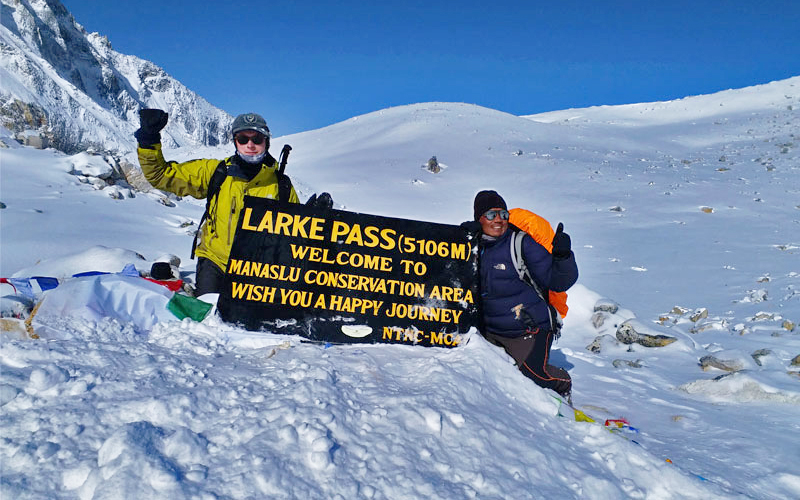
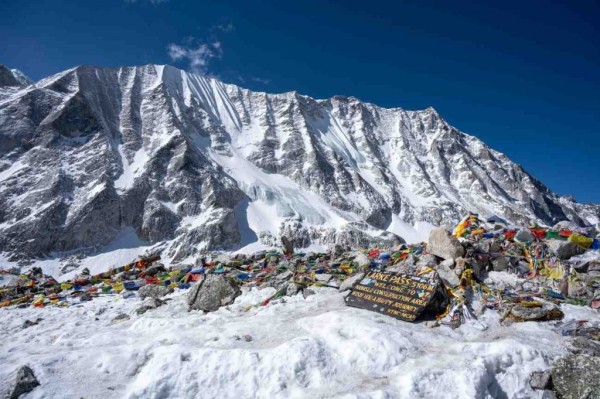
5. Plan for Larkya La Pass Day
Crossing the pass is the highlight of the trek and the day to prepare for most carefully.
- Expect a very early start, often before dawn, to cross before the afternoon winds.
- Wear your warmest layers, a windproof shell, gloves, a hat and sunglasses.
- Carry water and snacks in your daypack, not your duffel. Drinks can freeze, so use an insulated bottle if you can.
- Pace yourself on the way up. The reward is a 360° view of Manaslu, Himlung Himal, Cheo Himal and Annapurna II.
- Expect a long descent afterward, and be ready for an 8 to 9 hour day overall.
The pass is weather-dependent. If conditions are unsafe, your guide will make the call, and a flexible mindset keeps you safe.
6. Pack Smart (and Light)
Teahouses give you a bed and blankets, but not everything you need. A solid kit includes:
- Layers: moisture-wicking base layers, a fleece, a down jacket and a waterproof shell
- Footwear: broken-in waterproof boots with ankle support, plus camp sandals
- Sleeping bag suitable for cold nights (a down bag is available on request with our packages)
- Trekking poles to protect your knees
- Headlamp with spare batteries for early starts
- Sun protection: SPF 50+, UV400 sunglasses and lip balm
- Water purification tablets or a filter, plus a refillable bottle
- First-aid basics: painkillers, anti-diarrheal, blister care and personal medication
- Power bank and plug adapter, since charging gets scarce and costs extra higher up
Keep your duffel under about 10 to 12 kg, because a porter carries it and shares the load with another trekker.
7. Know What Teahouse Life Is Really Like
Accommodation is simple: twin-sharing rooms, shared bathrooms and a communal dining room, usually warmed by a stove in the evenings. Rooms get colder and more basic as you climb.
- Food: Dal bhat is the classic choice and often comes with free refills. You’ll also find noodle soup, pasta, pancakes, eggs and, higher up, yak cheese.
- Eat vegetarian at altitude, as meat can be less fresh the further you are from the road.
- Carry small notes in Nepali rupees. There are no ATMs on the trail.
- Hot showers, charging and Wi-Fi may cost extra and are limited at higher villages.
- Connectivity: A local SIM helps in the lower sections, but signal is weak above Samagaon.
8. Choose the Right Package and Transport
Your choice affects comfort and budget:
- Standard package (US$1,485): Private transport, a hotel in Kathmandu, a shared porter and full meals on the trek.
- Budget package (US$1,050): Public transport, with porter and private transport available as add-ons.
The drive from Kathmandu to Machha Khola takes about 7 to 9 hours by private jeep, and the final stretch is rough. A private 4WD is more comfortable. Compare what’s included before booking, and send us an inquiry if you want a custom plan.
9. Don’t Skip Travel Insurance
Your policy should cover high-altitude trekking up to at least 5,500 m and emergency helicopter evacuation. In a remote region, evacuation is the cost that can turn a bad day into a very expensive one. Check the exclusions before you buy.
10. Trek Responsibly
Manaslu is home to Gurung, Magar and Tibetan-influenced communities, and it sits inside a protected conservation area.
- Dress modestly in villages and monasteries.
- Walk clockwise around mani walls and stupas, and leave prayer flags undisturbed.
- Ask before photographing people.
- Carry out your non-biodegradable waste and avoid single-use plastic.
- Tip your guide and porter fairly. It’s customary in Nepal.
11. Consider Extending or Combining Your Trek
If 11 days feels too short once you see the mountains, you have options:
- Take the full 14-day Manaslu Circuit Trek for a slower, more gradual ascent.
- Add the sacred, secluded Tsum Valley Trek for deeper Tibetan culture.
- If you’re still weighing options, compare it with the Short Annapurna Circuit Trek.
You can browse all options on our Manaslu region page.
Short Manaslu Circuit Trek FAQs
1. How difficult is the Short Manaslu Circuit Trek?
It is rated moderate to adventurous. The route needs no technical climbing, but you will walk 5 to 9 hours a day, sleep above 3,500 m for several nights and cross a 5,106 m pass. Good cardiovascular fitness and previous multi-day trekking experience make it much more enjoyable. First-time trekkers can do it with strong preparation, but a shorter trek like the Short Annapurna Circuit is a gentler starting point.
2. What is the difference between the short and full Manaslu Circuit?
Both follow the same loop around Manaslu and cross Larkya La. The full Manaslu Circuit Trek takes about 14 days with a gentler pace and more time for side trips. The short version covers the main highlights in 11 days, with longer walking days and less buffer time. The short trek suits you if you’re tight on time and already fit.
3. How much does the Short Manaslu Circuit Trek cost?
With Mountain Eco Treks, the Standard package is US$1,485 per person and the Budget package is US$1,050. Standard includes private transport, two nights in a Kathmandu hotel, a shared porter, all trek meals, permits and a licensed guide. Budget uses public transport and charges extra for a porter and private transport. Visa, international flights, insurance, drinks and tips are not included. Current details are on the trip page.
4. What permits do I need, and how much do they cost?
You need the Manaslu Restricted Area Permit, the Manaslu Conservation Area Permit and the Annapurna Conservation Area Permit. The RAP costs USD 100 for the first 7 days (plus USD 15 per extra day) from September to November, and USD 75 for the first 7 days (plus USD 10 per extra day) from December to August. MCAP and ACAP are about USD 20 each, with a small local entry fee on top. They are issued through a registered agency, and our packages include them.
5. Can I trek the Manaslu Circuit solo?
You can travel as a solo traveler, but not independently. Nepal requires a licensed guide for all trekkers in the Manaslu restricted area, and permits are only issued through a registered agency. Many solo trekkers join one of our group departures to share costs and meet other people. Check the fixed departure dates for what’s available.
6. When is the best time to do the Short Manaslu Circuit Trek?
October is widely considered the best month, followed by the rest of autumn (September to November) and spring (March to May). Both seasons offer stable weather and clear mountain views. Avoid the monsoon (June to August) and winter (December to February), when heavy snow can close Larkya La.
7. How do I prevent altitude sickness on this trek?
Ascend gradually, use the acclimatization day at Sama Gaon, drink plenty of water, avoid alcohol and walk at a slow, steady pace. Know the early symptoms: headache, nausea, dizziness and poor sleep. Tell your guide at once. Our guides run daily oximeter checks, and descent is the only reliable treatment if symptoms worsen. If you want to use medication such as Diamox, talk to your doctor before you travel.
8. What is the accommodation and food like?
You stay in simple teahouse lodges in twin-sharing rooms, with shared bathrooms. Meals are Nepali and international dishes such as dal bhat, noodle soup, pasta, eggs and pancakes. Rooms are basic and unheated, so bring a warm sleeping bag. There is no camping required.
9. Is there Wi-Fi and phone signal on the trek?
Some lower and mid-altitude teahouses have Wi-Fi for a small fee, and a local SIM works in the lower sections. Above Samagaon, signal becomes very limited. Treat the trek as a chance to switch off, and tell your family beforehand about the connectivity gaps.
10. What does Larkya La Pass day involve, and is it safe?
It’s the longest day of the trek, often 8 to 9 hours. You start before sunrise from Dharmasala (4,460 m), climb to 5,106 m, then descend a long way toward Bimthang. It is safe in good conditions with proper layers, acclimatization and an experienced guide, who will turn the group around if the weather turns. Pack warm clothes, snacks and water in your daypack, and walk steadily.
Final Thoughts
The Short Manaslu Circuit Trek rewards trekkers who respect it: a good season, proper acclimatization, the right gear and a guide who knows when to push on and when to wait. Do that, and you get big Himalayan scenery, living Tibetan culture and quiet trails that are getting harder to find in Nepal.
Ready to plan it? View the full itinerary and dates on our Short Manaslu Circuit Trek page, send an inquiry, or contact our team on WhatsApp at +977 9803926665. You can also read more guides on the Mountain Eco Treks blog.
Recent From Blog

19th Apr, 2019


23rd Dec, 2018

11th Jan, 2024

14th Jan, 2024

29th Jan, 2025

11th Feb, 2025

18th Feb, 2025

25th Feb, 2025

5th Apr, 2025
23rd Dec, 2025
9th May, 2026
12th Jul, 2026

13th Aug, 2026
13th Aug, 2026
13th Aug, 2026

16th Aug, 2026
20th Aug, 2026


11th Sep, 2026
24th Sep, 2026
25th Sep, 2026
5th Oct, 2026
6th Oct, 2026